Introduction
Ever dreamed of turning your favorite hobby into a real source of income? You’re not alone, and the good news is that starting a craft business from home is more achievable than ever before. From choosing your niche to pricing products and building an online presence, there’s a lot to consider before your first sale. This guide to starting a craft business for every home breaks down the entire process into manageable steps, helping you move from hobbyist to confident small business owner at your own pace.
1. Identify Your Craft Niche and Specialty

Finding your specific craft niche is the essential first step in this guide to starting a craft business for every home. Rather than trying to sell everything you know how to make, successful crafters typically focus on one or two product categories that showcase their strongest skills and personal style.
This foundational step in the guide to starting your business helps you stand out in a crowded handmade marketplace. Take time to research what similar crafters are already selling, identify gaps in the market, and consider which products you genuinely enjoy making repeatedly, since consistency matters for long-term success.
2. Research Your Target Market

Understanding exactly who will buy your handmade products is a critical component of any guide to starting a craft business for every home. Researching demographics, price points, and shopping habits of your ideal customer helps shape everything from product design to marketing messaging down the road.
This research phase prevents wasted time and materials on products that won’t actually sell to real buyers. Spend time browsing platforms like Etsy, Pinterest, and Instagram to observe what similar businesses offer, noting pricing trends and customer feedback that reveal genuine market demand for your craft.
3. Calculate Your Startup Costs

Understanding your startup costs prevents financial surprises later in your entrepreneurial journey, making this a vital section within any guide to starting a craft business for every home. Costs typically include materials, tools, packaging, photography equipment, and any necessary business licenses or permits required in your area.
This budgeting step in the guide to starting your business helps determine appropriate pricing and identifies whether you need outside funding or can bootstrap using personal savings. Creating a simple spreadsheet tracking every anticipated expense ensures you enter your craft business with realistic financial expectations from day one.
4. Set Up a Dedicated Workspace
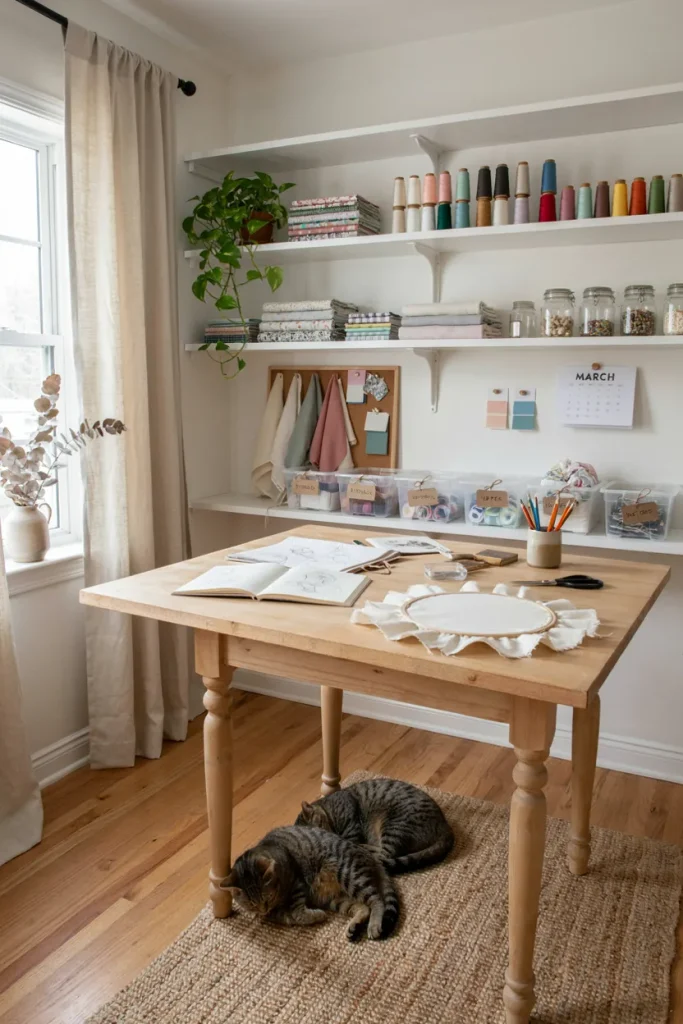
Creating a dedicated workspace, even a small one, significantly improves productivity and organization for home-based craft businesses. This guide to starting a craft business for every home emphasizes that a designated area helps separate business activities from personal life while keeping supplies and works-in-progress organized and accessible.
This physical setup step doesn’t require a large room or expensive renovation to be effective. A corner of a spare bedroom, garage, or even a closet can work well when equipped with proper lighting, storage solutions, and enough surface area to comfortably complete your specific craft projects.
5. Source Quality Materials and Suppliers

Establishing relationships with reliable suppliers ensures consistent product quality and availability as your business grows. This guide to starting a craft business for every home recommends researching multiple suppliers for each material type, comparing pricing, minimum order quantities, and shipping timelines before committing to regular purchases.
This sourcing step often benefits from joining online crafting communities where experienced sellers share supplier recommendations and reviews. Building strong supplier relationships also opens doors to bulk pricing discounts over time, directly improving profit margins as your handmade business scales beyond initial startup production.
6. Register Your Business Legally

Registering your craft business legally protects both you and your customers while establishing legitimacy in the marketplace. This section of the guide to starting a craft business for every home covers essential steps like choosing a business structure, registering a business name, and obtaining necessary tax identification numbers.
This legal foundation step varies depending on your location, so researching local and state requirements specific to your area remains essential. Many crafters start as sole proprietors due to simplicity, though consulting with a local accountant or business advisor helps ensure proper compliance from the very beginning.
7. Create a Simple Business Plan

A simple business plan provides direction and clarity as you launch your handmade venture, even if it’s just a few pages long. This guide to starting a craft business for every home suggests outlining your goals, target customers, pricing strategy, and rough financial projections for the first year.
This planning step doesn’t need to be complicated or formal to be genuinely useful for solo crafters. Revisiting and adjusting your plan regularly as you learn more about your market and production capacity ensures your business stays aligned with realistic goals rather than becoming an abandoned document.
8. Price Your Products Strategically

Strategic pricing ensures your craft business remains profitable while staying competitive within your specific market. This guide to starting a craft business for every home recommends calculating material costs, labor time, and overhead expenses before adding a reasonable profit margin to determine final retail pricing.
This pricing step often trips up new crafters who undervalue their time and skill, leading to unsustainable business models. Researching comparable products from established sellers helps validate whether your calculated pricing aligns with market expectations, ensuring long-term viability rather than short-term underpricing that hurts profitability.
9. Develop Your Brand Identity

Developing a cohesive brand identity helps your craft business stand out and remain memorable to potential customers. This guide to starting a craft business for every home emphasizes choosing consistent colors, fonts, and a logo that authentically represents your products and personal creative style.
This branding step influences everything from your product packaging to your social media presence and website design. Investing time in developing strong visual branding early on creates a professional, trustworthy impression that helps small handmade businesses compete effectively against larger, established competitors in the marketplace.
10. Take High-Quality Product Photos

High-quality product photography significantly impacts sales conversion rates for online craft businesses. This guide to starting a craft business for every home stresses that clear, well-lit photos showing accurate colors and details help potential buyers trust the quality of handmade items before making a purchase decision.
This photography step doesn’t require expensive professional equipment to achieve good results. Natural window light, a simple white backdrop, and a smartphone camera can produce genuinely attractive product photos, especially when combined with basic editing apps to adjust brightness and cropping for polished, consistent listings.
11. Choose the Right Selling Platform

Selecting the right platform to sell your handmade goods significantly impacts your business’s reach and profitability. This guide to starting a craft business for every home compares options like Etsy, Shopify, local craft fairs, and social media marketplaces, each offering different advantages depending on your specific goals.
This platform decision step often benefits from starting with lower-commitment options like Etsy before investing in a custom website. Testing multiple channels simultaneously during your early stages helps identify where your target customers actually shop, informing where to focus marketing efforts moving forward.
12. Build a Simple Website or Shop Page

Building a simple online shop or website establishes a professional digital presence for your craft business beyond just social media. This guide to starting a craft business for every home recommends starting with user-friendly platforms that require minimal technical knowledge while still presenting products attractively to potential buyers.
This website step doesn’t require extensive coding skills thanks to modern drag-and-drop builders and marketplace templates available today. Focusing on clear product descriptions, accurate pricing, and easy navigation ensures visitors can quickly find and purchase items without frustration or confusion during their shopping experience.
13. Establish a Social Media Presence

Building a social media presence helps craft businesses reach potential customers organically without significant advertising spend. This guide to starting a craft business for every home recommends choosing one or two platforms where your target audience is most active, then posting consistently to build genuine engagement over time.
This marketing step works best when focused on storytelling rather than purely promotional content. Sharing your creative process, behind-the-scenes moments, and customer testimonials helps build authentic connections that encourage followers to become paying customers and eventually loyal, repeat buyers of your handmade products.
14. Create an Efficient Production Workflow

Developing an efficient production workflow helps craft business owners fulfill orders promptly without burning out from disorganized processes. This guide to starting a craft business for every home suggests batching similar tasks together, such as cutting all materials before assembling multiple products in sequence.
This workflow step becomes increasingly important as order volume grows beyond occasional sales. Documenting your process step-by-step also helps if you eventually hire help or need to train someone else, ensuring consistent product quality regardless of who completes each stage of the handmade creation process.
15. Plan Your Packaging and Shipping

Thoughtful packaging and reliable shipping processes significantly impact customer satisfaction and repeat business rates. This guide to starting a craft business for every home emphasizes that attractive, protective packaging creates a memorable unboxing experience while proper shipping materials prevent damage during transit to customers.
This logistics step requires researching shipping costs and delivery timeframes specific to your product types and typical customer locations. Building small packaging costs into your overall pricing structure ensures this important presentation element doesn’t eat into profit margins while still delighting customers upon delivery.
16. Understand Basic Business Taxes

Understanding basic tax obligations protects craft business owners from unexpected penalties and financial surprises down the road. This guide to starting a craft business for every home recommends tracking all income and expenses from day one, even for small, part-time handmade selling operations.
This financial step often benefits from consulting a local accountant familiar with small business and hobby-to-business tax transitions. Setting aside a percentage of each sale for tax obligations throughout the year prevents scrambling for funds during tax season, keeping your craft business financially organized and compliant.
17. Gather Customer Feedback and Reviews

Actively gathering customer feedback helps craft business owners improve products and build social proof for future buyers. This guide to starting a craft business for every home encourages politely requesting reviews after purchases, then using constructive feedback to refine product quality, packaging, or customer service processes.
This feedback step also helps identify your most popular products and satisfied customer demographics over time. Displaying positive reviews prominently on your shop page or social media builds trust with hesitant potential buyers, making this an essential ongoing practice throughout your craft business’s growth.
18. Network with Other Crafters

Networking with fellow crafters provides invaluable support, advice, and potential collaboration opportunities throughout your business journey. This guide to starting a craft business for every home recommends joining local maker groups, online forums, or social media communities where experienced sellers share genuine insights and encouragement.
This networking step helps combat the isolation many home-based crafters experience while running solo operations. Building relationships within your crafting community can also lead to cross-promotion opportunities, bulk supply purchasing partnerships, or referrals that benefit everyone involved in the local handmade business ecosystem.
19. Participate in Craft Fairs and Markets

Participating in local craft fairs and markets offers valuable face-to-face selling experience and immediate customer feedback. This guide to starting a craft business for every home suggests starting with smaller, lower-cost events before investing in larger fairs, allowing you to test products and refine your booth presentation.
This in-person selling step also builds important skills like handling customer questions and processing transactions confidently. Craft fairs often lead to repeat customers who discover your work locally, then follow your online shop for future purchases, creating valuable long-term relationships beyond the single event itself.
20. Reinvest Profits into Business Growth

Strategically reinvesting early profits helps craft businesses grow sustainably rather than stagnating at initial production capacity. This guide to starting a craft business for every home recommends prioritizing investments like better equipment, additional inventory, or improved packaging that directly enhance product quality and customer experience.
This reinvestment step requires balancing growth ambitions with realistic cash flow management, especially during the early months of operation. Tracking which investments actually improve sales or efficiency helps guide future spending decisions, ensuring your craft business grows deliberately rather than through impulsive purchasing decisions.
21. Stay Consistent and Patient Long-Term

Consistency and patience remain essential qualities for long-term craft business success, as most handmade businesses take considerable time to gain traction. This guide to starting a craft business for every home emphasizes that steady, sustainable growth typically outperforms attempts at overnight success within the competitive handmade marketplace.
This final step reminds new business owners that setbacks and slow periods are normal parts of entrepreneurship rather than signs of failure. Maintaining consistent production schedules, marketing efforts, and customer service standards over months and years ultimately builds the loyal customer base every successful craft business needs.
Conclusion
Starting a craft business takes planning, patience, and a willingness to learn along the way, but the reward of building something from your own creativity is well worth the effort. From pricing strategy to branding and networking, this guide to starting a craft business for every home covers everything you need to begin. Take that first step today, your handmade business journey starts now.